

Heat Exchanger Supplier in Bangladesh — Plate, Shell and Tube, Radiator
A heat exchanger moves heat from one fluid to another without letting them mix, so one circuit can be cooled or heated by another while staying separate. MHM Machineries BD Ltd supplies shell-and-tube, plate-type and radiator-type heat exchangers in Bangladesh — shell-and-tube and radiator units locally manufactured, plate units imported or locally assembled — customised to your duty with a short lead time.
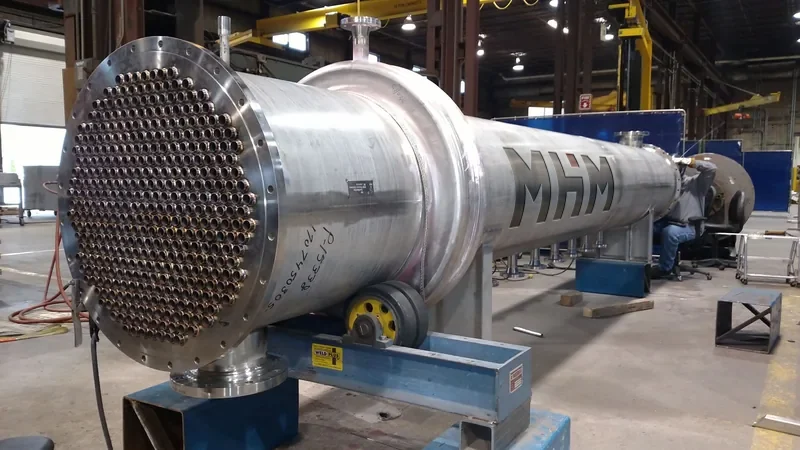
- Shell and tube: locally manufactured, for heating and cooling
- Plate type: imported as well as locally assembled
- Radiator type: locally manufactured, customised size
- All associated work is available
Updated 21 October 2026 · MHM Machineries BD Ltd, Mirpur, Dhaka
At a glance
- Types
- Shell and tube, gasketed plate type and radiator type
- Build
- Shell and tube and radiator: locally manufactured. Plate type: imported as well as locally assembled
- Size
- Customised to the duty, with a short lead time
- Duties
- Heating and cooling; liquid to liquid (plate, shell and tube) and liquid to air (radiator)
- How price is set
- Per duty: heat load in kW, approach, materials and design pressure — not physical size
- Also supplied
- Pumps, piping, insulation and water treatment chemicals around the exchanger
- Office
- Mirpur, Dhaka — 846, East Shewrapara, Mirpur, Dhaka-1216, Bangladesh
Heat Exchanger with all Accessories
For Better Quality and Care. The three types MHM Machineries supplies, as listed on its product page — each one sized to the duty rather than picked from a fixed catalogue.
Shell and Tube heat Exchanger
- Locally manufactured
- Customized size with short lead time is available
- Applicable for both heating and cooling purpose
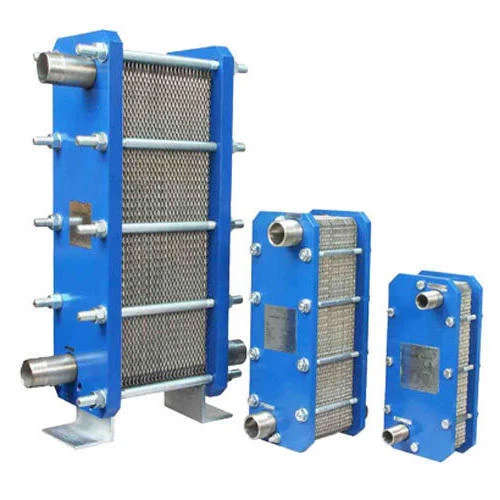
Plate type Heat Exchanger
- Imported as well as locally assembled
- Product can be supplied with short lead time
- All associated work is available
- Product can be customized according to customer requirement
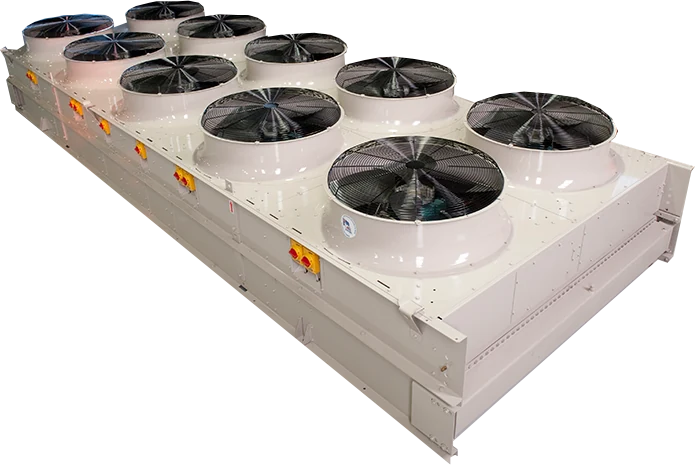
Radiator type Heat Exchanger
- Locally Manufactured
- Customized size with short lead time
- Delivery can be done with short lead time
What sets the price of a heat exchanger in Bangladesh
A heat exchanger is not bought by physical size; it is bought by duty and by approach. Two quotations for “a plate heat exchanger” can be far apart and both be honest, because they are not quoting the same surface or the same scope.
Swipe the table sideways to see every column.
| Cost driver | Why it changes the price | Effect |
|---|---|---|
| Heat duty (kW) | Surface area, frame or shell size and nozzle sizes all follow the duty. | The largest single driver |
| Approach temperature | The gap between the hot fluid leaving and the cold fluid entering. A closer approach needs more plate or tube area for the same kW. | Halving the approach can more than double the surface |
| Type | Gasketed plate, shell-and-tube or radiator (liquid to air). Each suits different fluids, pressures and spaces. | Decided by the fluid first, the budget second |
| Material of the wetted parts | Stainless steel grades, copper or other alloys on the process side; the right choice depends on chlorides and chemistry in the water. | A clear premium where the water is aggressive |
| Gasket material (plate type) | Gasket compound is chosen for the fluid and the temperature; it sets the upper temperature limit of a plate unit. | Small on price, decisive on service life |
| Design pressure and temperature | Thicker shells, plates and frames for higher pressure; some duties rule out gaskets entirely. | Moves both the type and the cost |
| Fouling allowance | Extra surface so the unit still meets its duty when it is not clean — larger on open tower water and effluent. | Small premium, prevents a unit that misses duty within months |
| Imported or locally made | Locally manufactured shell-and-tube and radiator units can be customised with a short lead time; imported units carry freight, LC and duty. | Moves with the exchange rate and the duty on the day |
| Scope of supply | Exchanger only, or with pumps, piping, insulation, valves, instruments and installation. | Ask for the split — this is where quotations differ most |
MHM quotes against your duty rather than publishing a list price. What a comparable quotation states, in writing, is the type, the duty in kW, the four temperatures, the surface area or plate count, the materials and the design pressure, with equipment and installation as separate lines.
Plate heat exchanger price: ask for the plate count
Two plate units on the same frame can differ by dozens of plates. The plate count and the plate area are what you are paying for, so a quotation that gives only a model name and a lump sum cannot be compared with another. Ask for the number of plates, the plate material and thickness, the gasket material, and the pressure drop on each side at your flow.
Shell and tube: ask for the tube side
For a shell-and-tube unit the equivalent questions are the tube material, size and count, the number of passes, which fluid goes through the tubes (the dirtier one, so it can be rodded out), and the shell design pressure.
What is usually quoted separately
- Circulating pumps and their standby
- Process piping, valves and supports
- Insulation on hot or chilled lines
- Thermometers and differential-pressure gauges
- Cleaning chemicals and a first cleaning programme
- Installation, pressure test and commissioning
Plate, shell and tube or radiator — how to choose
The choice is made on the fluid, not on the budget. A gasketed plate heat exchanger packs a very large surface into a small frame, reaches a close approach between the two fluids, and can be re-plated later if the duty grows — but it needs reasonably clean fluid, because the channels between plates are narrow and the gaskets set a ceiling on temperature and pressure. A shell-and-tube heat exchanger is the tolerant one: it accepts suspended solids and fibre, handles higher pressures and temperatures, and its tubes can be rodded or brushed out. It takes more space for the same duty. A radiator-type unit rejects heat from a liquid straight to air and needs no second water circuit at all, which is why it is used on generator engine jacket water, compressor and hydraulic oil, and closed loops where no tower water is available.
Swipe the table sideways to see every column.
| Selection factor | Plate type | Shell and tube | Radiator type |
|---|---|---|---|
| Fluid cleanliness | Clean fluids required | Tolerates solids and fibre | Air side needs cleaning, not the liquid side |
| Approach achievable | Close | Wider | Set by ambient air temperature |
| Footprint for the same duty | Smallest | Largest | Large, but needs no water circuit |
| Capacity change later | Add or remove plates | Fixed once built | Fixed once built |
| Pressure and temperature | Limited by the gaskets | Suits higher pressure and temperature | Limited by the coil and fan |
| Cleaning | Cleaning in place or strip-down | Mechanical rodding and brushing | Fin cleaning |
| Typical use here | Chiller circuit separation, dye-bath heat recovery, pasteuriser | Chiller condenser and evaporator, boiler and steam duties, dirty process water | Engine jacket water, hydraulic oil, closed loops with no tower |
How to size a heat exchanger from your own duty
Four temperatures, two flows and one fluid description are enough to size one.
- Work out the heat duty in kW. For water, kW = flow (l/s) × 4.19 × temperature change (°C).
- Write down the hot side in and out. The temperatures the hot fluid enters and must leave at.
- Write down the cold side in and out. The gap between hot-out and cold-in is the approach, and it is what sets the surface area.
- Give both flow rates. They set the pressure drop on each side, and therefore the pump duty.
- Name the fluids and the design pressure. Fluid type and cleanliness, a fouling allowance matched to the water quality, and the design pressure and temperature.
Worked example — separating a chiller loop from tower water
A closed loop circulating 8 l/s that must be cooled by 5 °C carries 8 × 4.19 × 5 = 167.6 kW. If tower water arrives at 30 °C and the closed loop must leave at 33 °C, the approach is 3 °C — a close approach, which points to a plate unit. Those numbers, plus the tower-side flow, are what a supplier needs before a price means anything.
A unit sized with no fouling margin will miss its duty within months on open tower water. Send the temperatures and flows and MHM will size the unit and quote the plate count or tube bundle and the materials, not just a lump sum. Background: how a chiller works.
Where heat exchangers are used in Bangladeshi plants
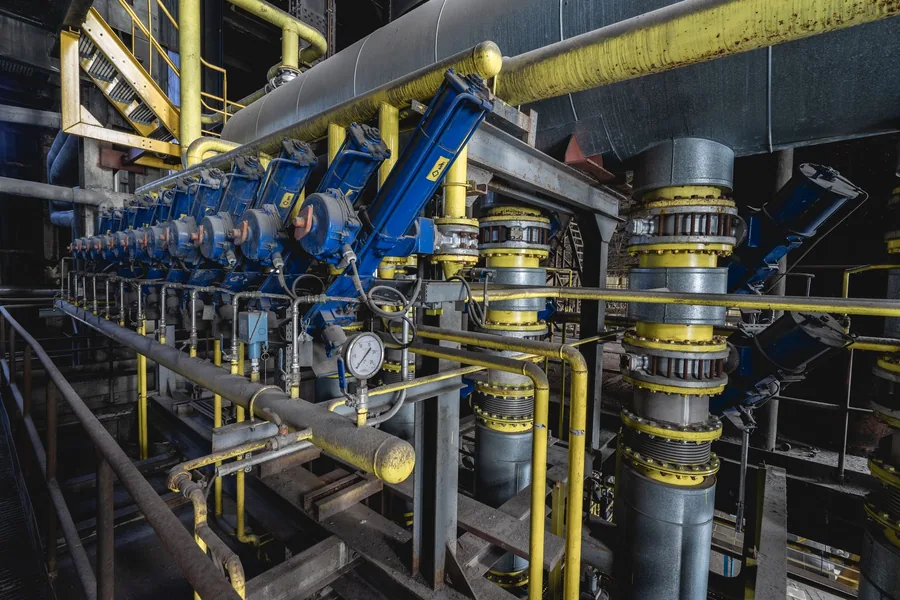
Chilled-water and condenser circuits
Inside a chiller, the evaporator and the condenser are themselves heat exchangers, shell-and-tube or plate. Outside it, a plate unit separates a clean closed loop from open tower water, so the plant’s pipework and machines never see tower chemistry. See industrial chillers from 1.5 TR to 200 TR and FRP cooling towers.
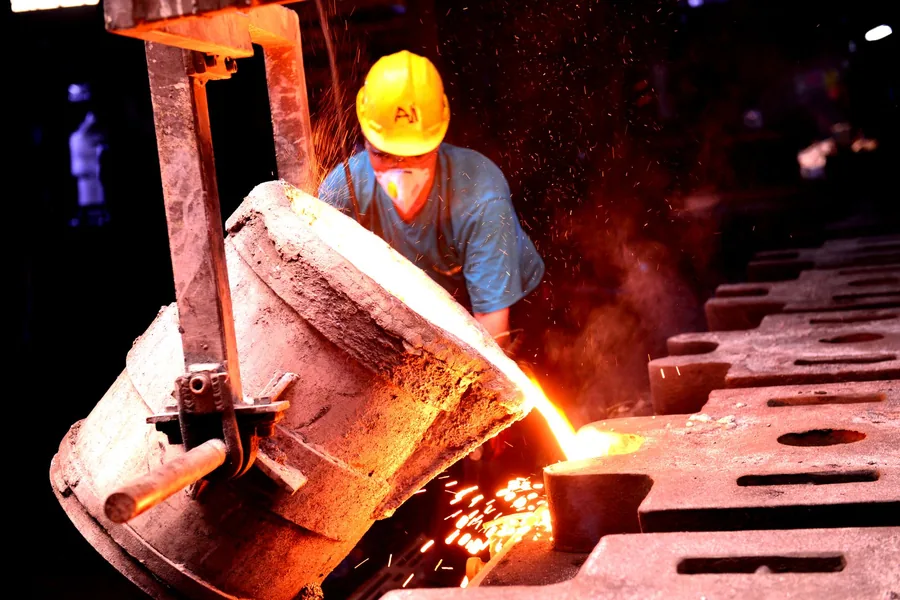
Steel re-rolling and induction furnaces
The induction coil runs on clean, low-conductivity water in a closed circuit, which rejects its heat through a plate or shell-and-tube unit into the open tower circuit. Losing that exchanger stops the furnace, so a standby unit and a differential-pressure gauge on the closed side are normal practice.
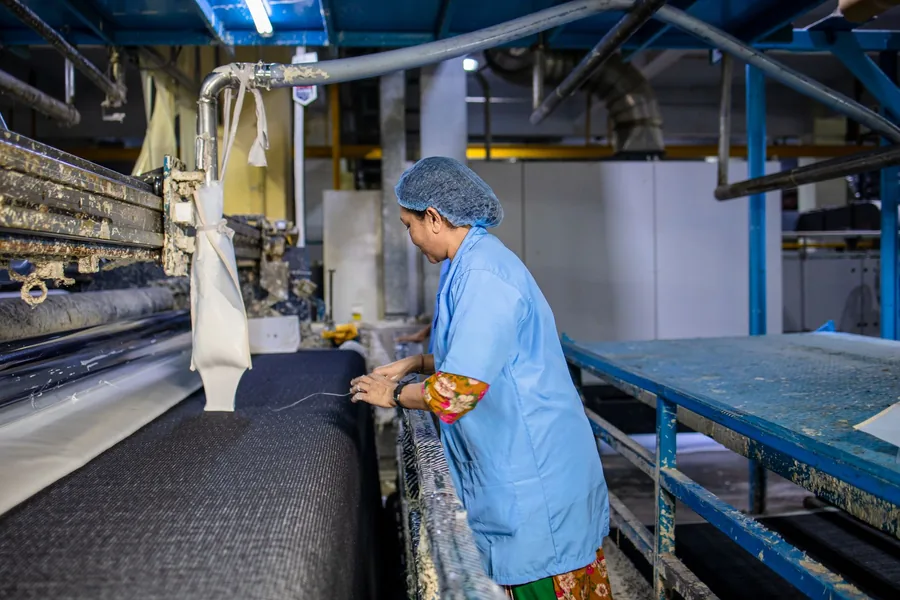
Textile dyeing and finishing
Two duties: cooling the dye bath at the end of a high-temperature cycle, and heat recovery — taking heat out of hot effluent and putting it into incoming cold process water, which cuts the steam load on the boiler. Fibre in the effluent is why shell-and-tube or a wide-gap plate is chosen on that side.
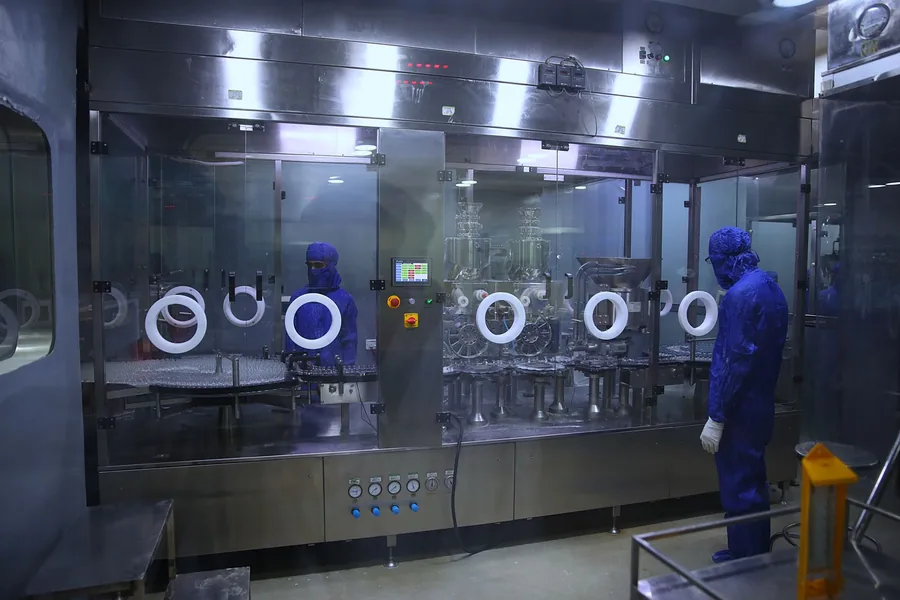
Pharmaceutical processing
Reactor and vessel jacket cooling, and chilled-water coils feeding the air handling units that hold cleanroom temperature and humidity. See pharmaceutical HVAC and industrial HVAC systems.

Food and beverage
The regeneration, heating and cooling sections of a pasteuriser are the textbook plate-exchanger duty, because plates reach a close approach and can be stripped and inspected. Process water and product cooling follow the same logic.
Fouling, cleaning and how to catch it early
Every heat exchanger in Bangladesh fouls — the water is hard, the ambient is warm and biological growth is quick.
Deposits insulate the surface and narrow the channel, and both effects compound. The mistake is waiting for a temperature complaint: by then the unit has been losing capacity for weeks.
The early indicator is pressure drop at unchanged flow, read together with a slowly widening approach. Log inlet and outlet temperatures on both sides and the differential pressure weekly, and a failure becomes a scheduled clean.
Cleaning in place or strip-down
Cleaning in place circulates a chemical solution without opening the unit and suits light scale and preventive work. A strip-down opens the plate pack for individual plate cleaning, inspection and gasket replacement, and is what heavy scale, fibre blockage or a suspected gasket failure requires. The upstream fix is the water itself — see water treatment chemicals.
Supply, installation and spares
All associated work is available — this is what that covers.
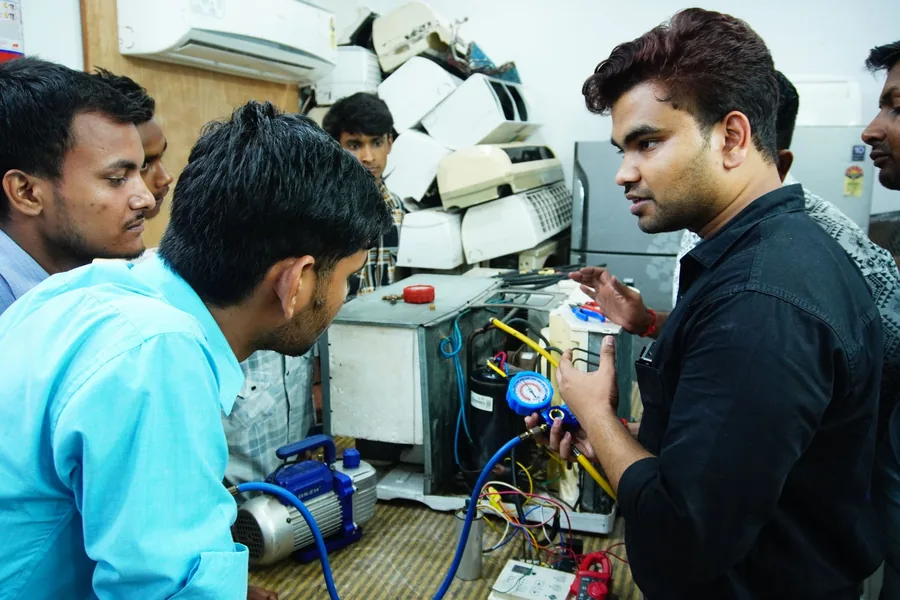
MHM supplies shell-and-tube and radiator-type units manufactured locally to a customised size with a short lead time, and plate-type units imported as well as locally assembled, customised to the customer’s requirement.
Around the exchanger: circulating pumps, process piping and insulation, valves and instruments, and cleaning and water treatment chemicals. For a plate unit, ask what replacement plates and gaskets are on the shelf for your model before you need them, so a service does not become an import lead time.
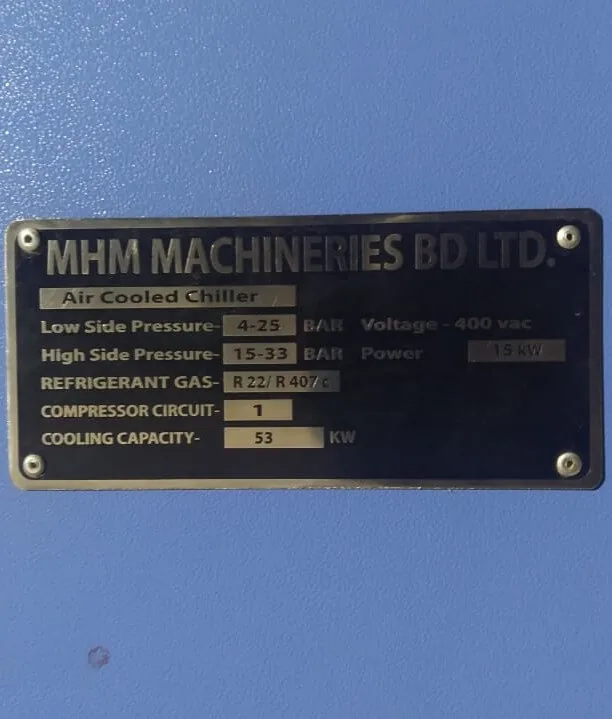
Why buyers choose MHM Machineries
MHM Machineries BD Limited supplies industrial thermal machinery from its office at Mirpur, Dhaka. The same company supplies the chillers and cooling towers whose circuits these heat exchangers separate.
- Shell and tube, plate type and radiator type heat exchangers from one supplier
- Shell and tube and radiator units locally manufactured to a customised size
- Plate units imported as well as locally assembled
- Short lead time on customised sizes
- Chillers, cooling towers, pumps, piping and water treatment around the exchanger
- Office and sales desk at Mirpur, Dhaka
সংক্ষেপে — বাংলায়
Heat exchanger দুটি ভিন্ন fluid-কে না মিশিয়ে তাপ বিনিময় করায়। MHM Machineries BD Ltd তিন ধরনের heat exchanger সরবরাহ করে — shell and tube (দেশে তৈরি), plate type (imported এবং দেশে assemble করা) ও radiator type (দেশে তৈরি), আপনার duty অনুযায়ী customised size-এ, অল্প lead time-এ।
কোনটি নেবেন তা ঠিক হয় fluid দেখে: পরিষ্কার পানিতে ও কম জায়গায় plate type, আর ময়লা বা fibre-যুক্ত পানিতে এবং বেশি চাপ-তাপে shell and tube। যেখানে দ্বিতীয় কোনো পানির circuit নেই, সেখানে radiator type।
দাম নির্ভর করে duty (kW), approach, plate সংখ্যা বা tube area, material ও design pressure-এর উপর — physical size-এর উপর নয়। Duty হিসাব: kW = flow (l/s) × ৪.১৯ × তাপমাত্রার পার্থক্য (°C)। উদাহরণ: ৮ l/s পানি ৫ °C ঠান্ডা করতে ১৬৭.৬ kW।
Fouling ধরা পড়ে temperature দেখে নয়, pressure drop বাড়া দেখে — সপ্তাহে একবার লিখে রাখলে breakdown-এর বদলে planned cleaning করা যায়। Quotation-এর জন্য ফোন করুন +880 1767-004433।
Frequently asked questions
What is the price of a heat exchanger in Bangladesh?
There is no single heat exchanger price, because the price follows the heat duty in kW, the approach temperature, the type, the materials, the design pressure and the scope — not the physical size. A plate unit is priced on its plate count, plate material and gasket; a shell-and-tube unit on its tube bundle and shell. Send both fluid temperatures, both flow rates, the fluid type and the design pressure and MHM Machineries will size the unit and quote it in writing.
Should I use a plate or a shell and tube heat exchanger?
Choose a gasketed plate heat exchanger for clean fluids, a close temperature approach and a compact footprint, and because plates can be added or removed later if the duty changes. Choose shell and tube where the fluid carries suspended solids or fibre, where the pressure or temperature is high, or where a gasket would not survive the service. Shell and tube is more tolerant and easier to rod out; plate transfers more heat per cubic metre of equipment.
Does MHM manufacture heat exchangers in Bangladesh?
MHM Machineries BD Ltd lists its shell and tube and radiator type heat exchangers as locally manufactured, in customised sizes with a short lead time, and its plate type heat exchangers as imported as well as locally assembled.
How do I size a heat exchanger for a chiller circuit?
Start from the heat duty in kW, which for water is flow in litres per second multiplied by 4.19 and by the temperature change in degrees Celsius. Then state the four temperatures: hot side in and out, cold side in and out. The difference between the hot fluid out and the cold fluid in is the approach, and it is what sets the plate area. Add a fouling allowance appropriate to the water quality.
How is a plate heat exchanger cleaned?
There are two methods. Cleaning in place circulates a chemical solution through the unit without opening it, which suits light scale and regular preventive cleaning. A strip-down opens the plate pack, and each plate is cleaned individually and inspected, which is what heavy scale, fibre blockage or a suspected gasket failure requires. Rising pressure drop at unchanged flow is the signal that one of the two is due.
What is fouling in a heat exchanger and how do I detect it early?
Fouling is any deposit on the heat transfer surface — scale from hard water, silt, biological growth or fibre from a process stream. It insulates the surface and narrows the channel. The early signal is not a temperature complaint, it is a rising pressure drop across the unit at unchanged flow, together with a slowly widening approach. Logging both weekly turns a breakdown into a planned clean.
What is a radiator type heat exchanger used for?
A radiator type heat exchanger rejects heat from a liquid straight to air through a finned coil and fan, so it needs no cooling tower and no second water circuit. It is used for engine jacket water on generators, oil cooling on compressors and hydraulic packs, and closed loops where no tower water is available. MHM lists its radiator type units as locally manufactured in customised sizes.
Who supplies heat exchangers in Bangladesh?
MHM Machineries BD Ltd supplies shell and tube, plate type and radiator type heat exchangers in Bangladesh, customised to the duty with a short lead time, together with pumps, piping, insulation and water treatment chemicals. The office is at 846, East Shewrapara, Mirpur, Dhaka-1216, Bangladesh. Call +880 1767-004433 or e-mail sales@mhmmachineries.com.
Related pages on this site
Get a written quotation
Send the duty and the fluids, and MHM Machineries BD Ltd replies with a type recommendation, the size and materials, and equipment and installation priced as separate lines.
- Type, duty in kW and the four temperatures stated in writing
- Plate count or tube bundle, materials and design pressure listed
- Equipment, accessories and installation as separate lines
- Delivery and lead time confirmed in writing
- MHM Machineries BD Limited
846, East Shewrapara, Mirpur, Dhaka-1216, Bangladesh
Open in Google Maps - +880 1767-004433 · +880 1300-806868
WhatsApp +880 1767-004433 - sales@mhmmachineries.com
Tell us the duty
Fill this in and send it straight to our sales desk on WhatsApp or by e-mail. Nothing is stored on this page.